Fast Link
What is ERP (Enterprise Resource Planning)?
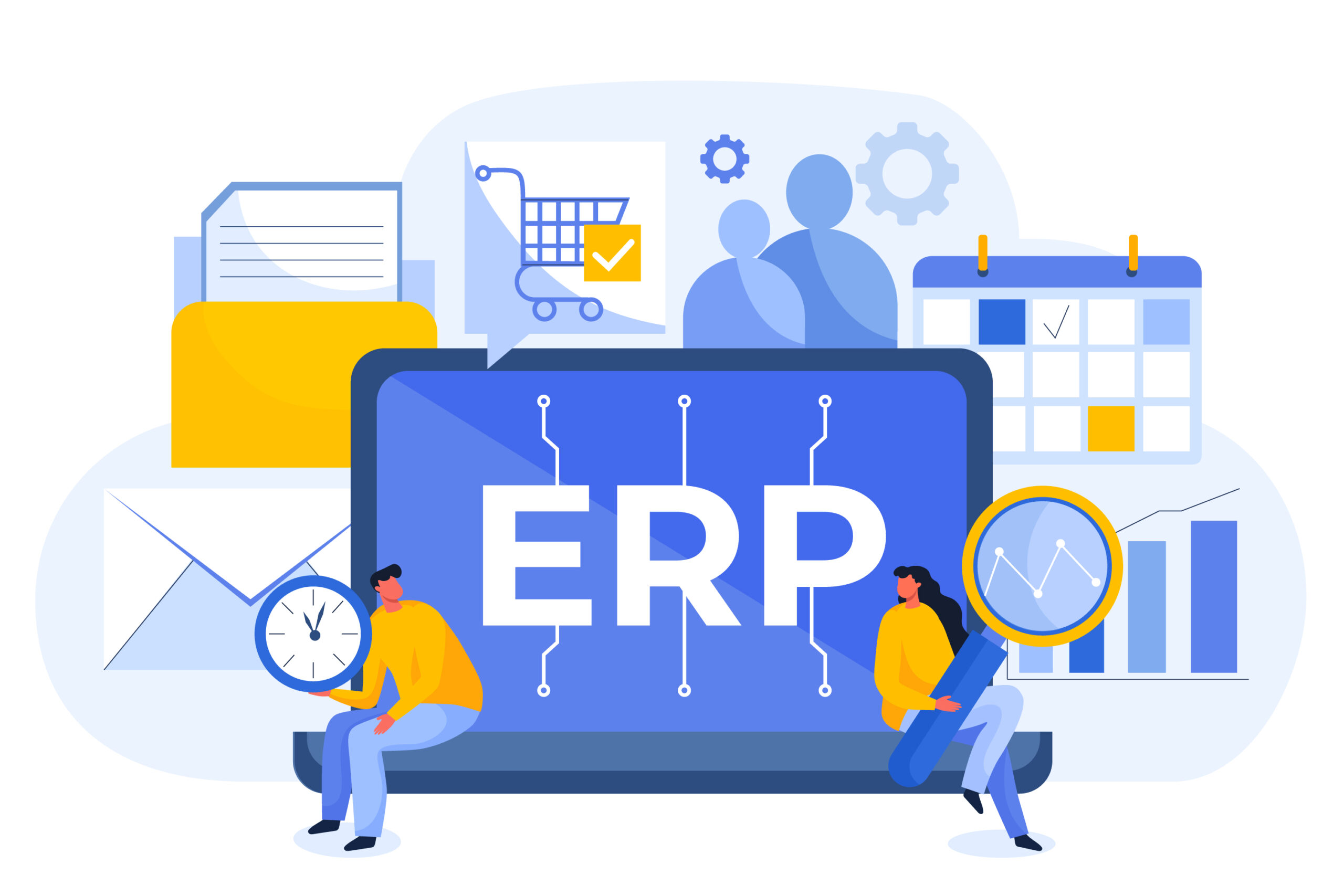
Enterprise Resource Planning (ERP) is an integrated software system that helps companies manage all internal processes efficiently and centrally.
ERP allows businesses to organize finance, inventory, sales, human resources, and production in one unified system.
ERP components include:
• Accounting and financial management
• Inventory and supply chain management
• Human resources and payroll management
• Production and manufacturing management
• Comprehensive performance reports and analytics
ERP is a key tool for improving internal operations, reducing waste, and increasing productivity.
What is CRM (Customer Relationship Management)?
Customer Relationship Management (CRM) is software focused on improving customer experience and loyalty by managing company interactions with current and potential clients.
CRM components include:
• Managing customer data and communications
• Tracking sales and business opportunities
• Marketing automation and email campaigns
• Customer support and after-sales service
• Analytics on customer behavior and satisfaction
CRM is essential for enhancing customer engagement, increasing sales, and improving service quality.
Benefits of Using ERP and CRM in Business
- Improved Process Management: Complete visibility of all business activities in one system
- Increased Productivity: Automation of processes and reduced human errors
- Accurate Data Analysis: Precise reports to support decision-making
- Enhanced Customer Experience: Effective customer follow-up and service improvement
- Cost Reduction: Saving time and resources on manual operations
For data-driven decision-making strategies, read
Data Analytics in Business.
The Difference Between ERP and CRM
- ERP: Focuses on managing internal company operations like resources, production, and inventory
- CRM: Focuses on managing customer interactions, sales, and marketing
- Primary Function:
• ERP: Improve operational efficiency and reduce waste
• CRM: Increase customer satisfaction and loyalty - Scope of Use:
• ERP: Covers all company departments
• CRM: Focused on sales, marketing, and customer service - Ultimate Goal:
• ERP: Enhance internal company performance
• CRM: Enhance company performance externally with customers - You can also read our guide on professional website design, development, and hosting to understand how secure infrastructure supports AI-driven platforms.
How to Choose the Right System for Your Business
- Identify your needs: Focus on internal processes or customer interactions?
- Assess your company size and involved departments
- Ensure compatibility with existing systems
- Choose a system that supports your local language if needed
Frequently Asked Questions About ERP & CRM
- Can ERP and CRM be used together?
- Does ERP replace CRM?
No, both systems complement each other: ERP focuses on internal processes, CRM on customers. - Are these systems suitable for small businesses?
Yes, flexible ERP and CRM solutions are available for small and medium-sized businesses. - How long does implementation take?
It depends on company size and process complexity.
Yes, they are often integrated for optimal internal and external performance.
Conclusion
ERP and CRM systems are no longer optional; they are essential for efficiently managing business operations and enhancing customer experience.
Choosing the right system, or integrating both, gives your company a real competitive advantage, improves internal processes, and strengthens customer loyalty, leading to faster growth and higher profits.
Start your journey toward smart and effective business management today.